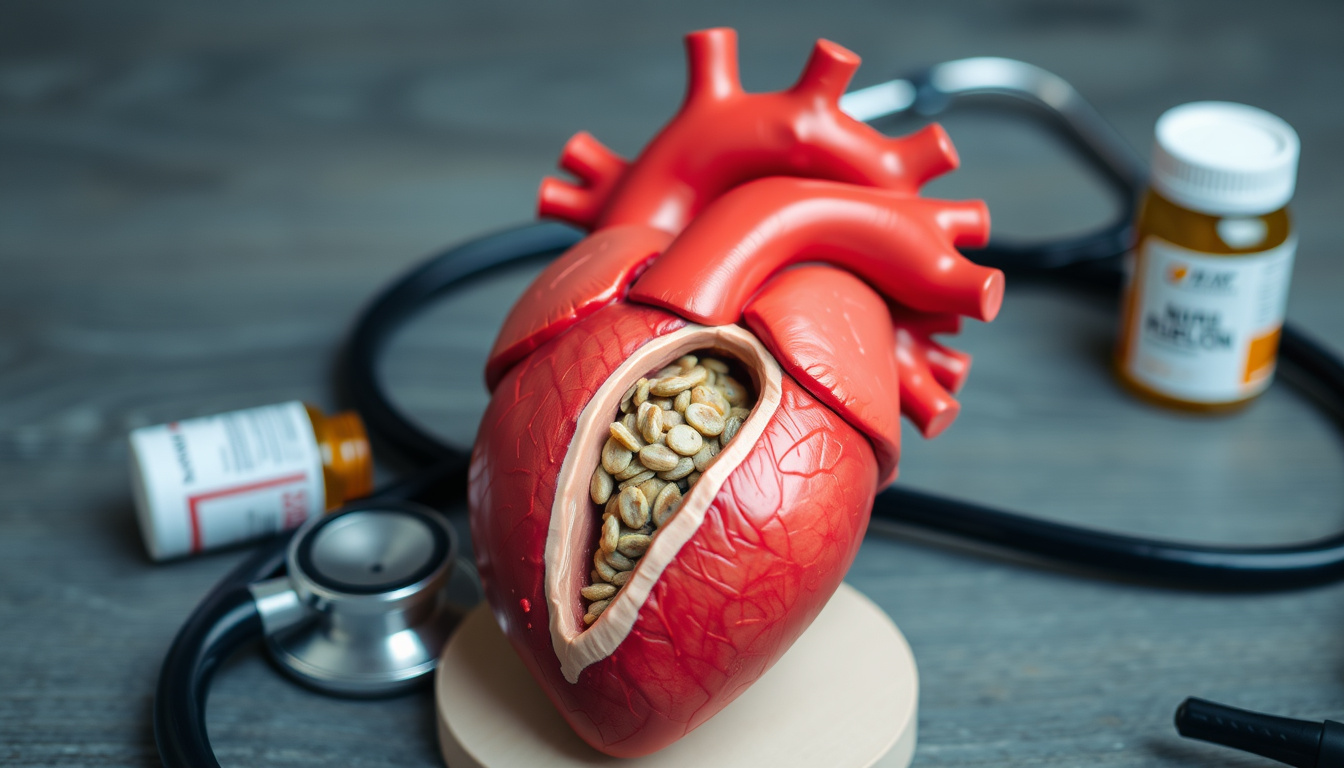
Your heart beats around 100,000 times a day, but if the arteries feeding it become clogged, that rhythm can turn dangerous. Ischaemic heart disease is the world’s leading cause of death — yet many people don’t realize they have it until it’s too late.
Silent ischemia prevalence: 2–3 million US adults with stable CAD (Consultant 360) ·
Acute ischemia episodes: ~40% of IHD patients ·
Silent episodes: 75% cause no symptoms ·
Asymptomatic mortality risk: adjusted HR 1.39 (PMC/NIH)
Quick snapshot
- Atherosclerosis is the primary cause (The Cardiology Advisor)
- Smoking, hypertension, high cholesterol increase risk (Texas Heart Institute)
- Treatment can improve survival (Consultant 360)
- Exact role of inflammation in all cases (PMC/NIH)
- Why some patients have silent ischemia while others don’t (American Heart Association)
- Early disease: plaque buildup begins (often asymptomatic) (The Cardiology Advisor)
- Progression: angina symptoms appear; risk of acute coronary syndrome increases (Wikipedia)
- Advanced disease: heart failure or myocardial infarction may occur (American Heart Association)
- Early detection through stress testing or imaging can uncover silent ischemia (PMC/NIH)
- Aggressive risk factor modification can slow progression (Texas Heart Institute)
- New therapies targeting inflammation are under investigation (Consultant 360)
The following table summarizes key facts about ischemic heart disease:
| Label | Value | Source |
|---|---|---|
| Definition | Heart damage caused by narrowed coronary arteries due to plaque buildup | The Cardiology Advisor |
| Main cause | Atherosclerosis (fatty deposits in arteries) | Texas Heart Institute |
| Most common symptom | Chest pain or discomfort (angina) | Consultant 360 |
| Silent ischemia prevalence | 2–3 million US adults with stable CAD have silent ischemia | Consultant 360 |
| Percentage of acute episodes silent | 75% of acute myocardial ischemia episodes are silent | Consultant 360 |
| Asymptomatic mortality risk | Adjusted HR 1.39 (95% CI 1.16–1.66, p < 0.001) after PCI | PMC/NIH (Koshy et al.) |
| Treatment categories | Medications, lifestyle, revascularization procedures | Texas Heart Institute |
| Pathophysiology | Imbalance between ATP production and consumption leads to biochemical changes without symptoms | PMC/NIH |
How long can I live with ischemic heart disease?
Factors that influence life expectancy
- Severity of coronary blockages and number of arteries involved (The Cardiology Advisor)
- Presence of comorbidities such as diabetes, kidney disease, or heart failure
- Whether silent ischemia is present — asymptomatic patients face a 39% higher adjusted mortality risk (PMC/NIH)
Life expectancy varies widely. A patient diagnosed early with mild disease and optimal treatment can enjoy a normal lifespan. The catch: silent ischemia hides progression, so people may underestimate their risk. Consultant 360 notes that 40% of ischemic heart disease patients will experience acute episodes — and three‑quarters of those episodes produce no symptoms.
A patient with silent ischemia may feel fine while their heart muscle is starved of oxygen. The first event could be a heart attack — or sudden cardiac death. That’s why routine screening matters for high-risk groups.
Impact of treatment adherence
- Consistent use of statins, antiplatelets, and beta-blockers reduces mortality (Texas Heart Institute)
- Lifestyle changes (diet, exercise, smoking cessation) can delay disease progression
- Patients who undergo revascularization (stent or bypass) have better outcomes when also treated for underlying risk factors
The implication: sticking with treatment is the single most powerful thing a patient can do to extend their life. Without it, the natural history of ischaemic heart disease leads to worsening angina, heart failure, or myocardial infarction.
When to seek specialist care
- New or worsening chest pain, shortness of breath, or fatigue
- Any episode of syncope (fainting) or palpitations
- Signs of heart failure: swelling in legs, difficulty breathing when lying flat
Research from the NIH shows that silent ischemia often goes unnoticed until a serious event occurs. If you have risk factors — diabetes, hypertension, smoking history — a cardiologist can order a stress test or coronary calcium scan to detect hidden ischemia.
What is the main cause of ischemic heart disease?
Role of atherosclerosis
- Atherosclerosis — plaque buildup inside the coronary arteries — is the primary cause (The Cardiology Advisor)
- Plaques consist of cholesterol, fatty substances, calcium, and inflammatory cells
- When a plaque ruptures, a blood clot can form and block blood flow, causing a heart attack
Atherosclerosis is a silent process that starts decades before symptoms appear. The Texas Heart Institute explains that cardiac ischemia occurs when an artery is narrowed or blocked for a short time, preventing oxygen-rich blood from reaching the heart. The paradox: many people with significant blockages feel nothing because the collateral circulation compensates — until it doesn’t.
Non-modifiable risk factors
- Age (risk increases after 45 for men, after 55 for women)
- Family history of premature coronary artery disease
- Genetic predisposition (certain ethnicities and inherited conditions)
These factors set the baseline. The good news: modifiable risk factors often matter more in determining whether silent ischemia progresses to clinical disease. Related: Low Blood Pressure (Hypotension): Symptoms, Causes & Treatment and What Is a Stroke? Causes, Symptoms & Warning Signs.
Modifiable risk factors
- High blood pressure (Texas Heart Institute)
- Elevated LDL cholesterol
- Smoking — doubles the risk of coronary events
- Diabetes — especially type 2, which blunts angina warning signals
- Obesity and physical inactivity
What this means: controlling blood pressure, cholesterol, and blood sugar can cut the risk of developing ischaemic heart disease by 80% according to large epidemiological studies. For those who already have the disease, these same measures slow plaque progression and reduce the chance of a silent event.
What are the six signs of ischemia?
Classic signs of myocardial ischemia
- Chest pain or discomfort (angina) — often described as pressure, squeezing, or heaviness (Consultant 360)
- Shortness of breath — especially on exertion
- Pain radiating to the arms, back, neck, or jaw
- Nausea or indigestion
- Fatigue — unusual tiredness during normal activities
- Dizziness or lightheadedness
These six signs are the classic alarm bell. However, NIH research shows that silent ischemia — ischemia without any of these symptoms — accounts for roughly 75% of all ischemic episodes. The trade-off: relying on symptoms alone will miss most of the disease activity.
Silent ischemia in diabetes
- Diabetic neuropathy can impair pain signal transmission from the heart
- Up to 50% of myocardial infarctions in people with diabetes are unrecognized (Consultant 360)
- Routine screening with stress echocardiography or nuclear imaging is recommended for high-risk diabetic patients
The catch: because there’s no warning pain, silent ischemia in diabetic patients is often discovered only after heart function has already declined. Regular screening can catch it earlier.
When to call emergency services
- Chest discomfort that lasts more than a few minutes or goes away and comes back
- Discomfort in other upper body areas combined with chest symptoms
- Sudden shortness of breath, cold sweat, nausea, or lightheadedness
The pattern: the majority of ischemic episodes are silent, so any new or unusual symptoms—especially chest discomfort combined with other signs—warrant immediate medical attention. Delaying treatment increases heart muscle damage.
Is ischemic heart disease treatable?
Medications for risk factor control
- Statins reduce LDL cholesterol and stabilize plaques (Texas Heart Institute)
- Beta-blockers lower heart rate and oxygen demand
- ACE inhibitors or ARBs control blood pressure and protect heart function
- Antiplatelet therapy (aspirin, clopidogrel) reduces clot risk
Yes, ischaemic heart disease is treatable — but not curable. The goal is to manage the disease like a chronic condition. Consultant 360 emphasizes that even silent ischemia patients benefit from aggressive medical therapy because the underlying plaque rupture risk is the same.
Invasive procedures (stents, bypass)
- Percutaneous coronary intervention (PCI) with stent placement opens blocked arteries
- Coronary artery bypass grafting (CABG) is used for multi-vessel disease or left main blockage
- Revascularization improves symptoms and quality of life; survival benefit is greatest in high-risk patients
For stable patients without symptoms, the NIH evidence suggests that medical therapy alone may be as effective as stenting for preventing heart attacks, but symptomatic relief often requires intervention.
Lifestyle modifications
- Mediterranean diet rich in fruits, vegetables, whole grains, and healthy fats (Texas Heart Institute)
- At least 150 minutes of moderate aerobic exercise per week
- Smoking cessation — the single most powerful lifestyle change
- Weight management and blood glucose control
The pattern: lifestyle changes don’t just complement medication — they amplify its effects. A patient who quits smoking, adopts a heart-healthy diet, and walks 30 minutes a day can reduce their risk of a future event by more than 50%.
What are the symptoms of ischaemic heart disease?
Typical angina versus atypical presentation
- Typical angina: retrosternal pressure, provoked by exertion, relieved by rest or nitroglycerin (Consultant 360)
- Atypical angina: epigastric discomfort, arm pain, jaw pain, or fatigue without chest pain
- Women more often present with atypical symptoms — shortness of breath, nausea, fatigue (Texas Heart Institute)
The danger of atypical presentation: it’s easily misdiagnosed as indigestion, anxiety, or muscle pain. This leads to delays in care. NIH researchers note that women experience longer delays from symptom onset to treatment than men.
Symptoms in women
- Unusual fatigue — often described as “weary” or “unable to perform usual tasks”
- Shortness of breath without chest pain
- Indigestion, nausea, or upper abdominal discomfort
- Pain in the back, shoulder, or throat
Many women attribute these symptoms to stress or aging. The upshot: if you’re a woman with risk factors (diabetes, smoking, hypertension) and feel something “off” during activity, get checked.
Progression to heart failure
- Persistent ischemia weakens the heart muscle over time, leading to ischemic cardiomyopathy
- Symptoms of heart failure: swelling in ankles/feet, rapid weight gain, breathlessness when lying flat, waking up gasping at night (Texas Heart Institute)
- Once heart failure develops, life expectancy drops significantly unless treated
The pattern: warning signs of worsening heart failure are distinct from angina. If you notice increased swelling or need extra pillows to breathe at night, tell your doctor immediately.
Confirmed facts
- Atherosclerosis is the primary cause of ischemic heart disease (American Heart Association)
- Smoking, hypertension, and high cholesterol increase risk (Texas Heart Institute)
- Treatment with medications and lifestyle changes improves survival (PMC/NIH)
- Silent ischemia is common and carries increased mortality risk (Wikipedia)
What’s unclear
- Exact molecular mechanisms that prevent some individuals from feeling ischemia pain (PMC/NIH)
- Optimal duration of dual antiplatelet therapy after stent placement (Consultant 360)
- Why silent ischemia confers a higher mortality risk independent of traditional risk factors (PMC/NIH)
- Role of inflammation in triggering plaque rupture in individual patients (Texas Heart Institute)
Ischemic heart disease is heart damage caused by narrowed heart arteries.
American Heart Association
Coronary artery disease is the most common type of heart disease, causing about 382,820 deaths in 2020 in the US.
For the 20 million Americans living with coronary artery disease, the choice is clear: acknowledge the silent threat, commit to medication and lifestyle changes, and work with a cardiologist to detect hidden ischemia before it becomes a crisis. The alternative — ignoring symptoms until a heart attack — is a risk no one can afford.
Frequently asked questions
Is ischemic heart disease curable?
No, it is not curable but it is treatable. Modern therapies can stop progression, relieve symptoms, and extend life by decades when followed consistently.
Can stress cause ischemic heart disease?
Chronic psychological stress is associated with increased risk of coronary artery disease through higher blood pressure, inflammation, and unhealthy coping behaviors like smoking or overeating.
What is the best diet for ischemic heart disease?
A Mediterranean diet rich in vegetables, fruits, whole grains, legumes, nuts, fish, and olive oil is strongly recommended. It reduces LDL cholesterol and inflammation.
Does ischemic heart disease always lead to a heart attack?
No. Many people live with stable coronary artery disease for years without a heart attack, especially with proper medical management and lifestyle changes.
Is ischemic heart disease reversible with lifestyle changes?
While lifestyle changes cannot fully reverse established plaque, they can slow progression, reduce plaque volume, and stabilize existing plaques so they are less likely to rupture.
How often should someone with ischemic heart disease see a cardiologist?
Generally every 6–12 months, but more frequently if symptoms change or after a procedure. Annual testing may include stress echocardiography or CT calcium scoring.
Can ischemic heart disease affect young adults?
Yes, especially those with genetic lipid disorders, type 1 diabetes, smoking, obesity, or a strong family history. Early screening is recommended for high-risk young adults.

Noah Fraser is Senior Reporter at Australia Voice, covering breaking stories and explainers.