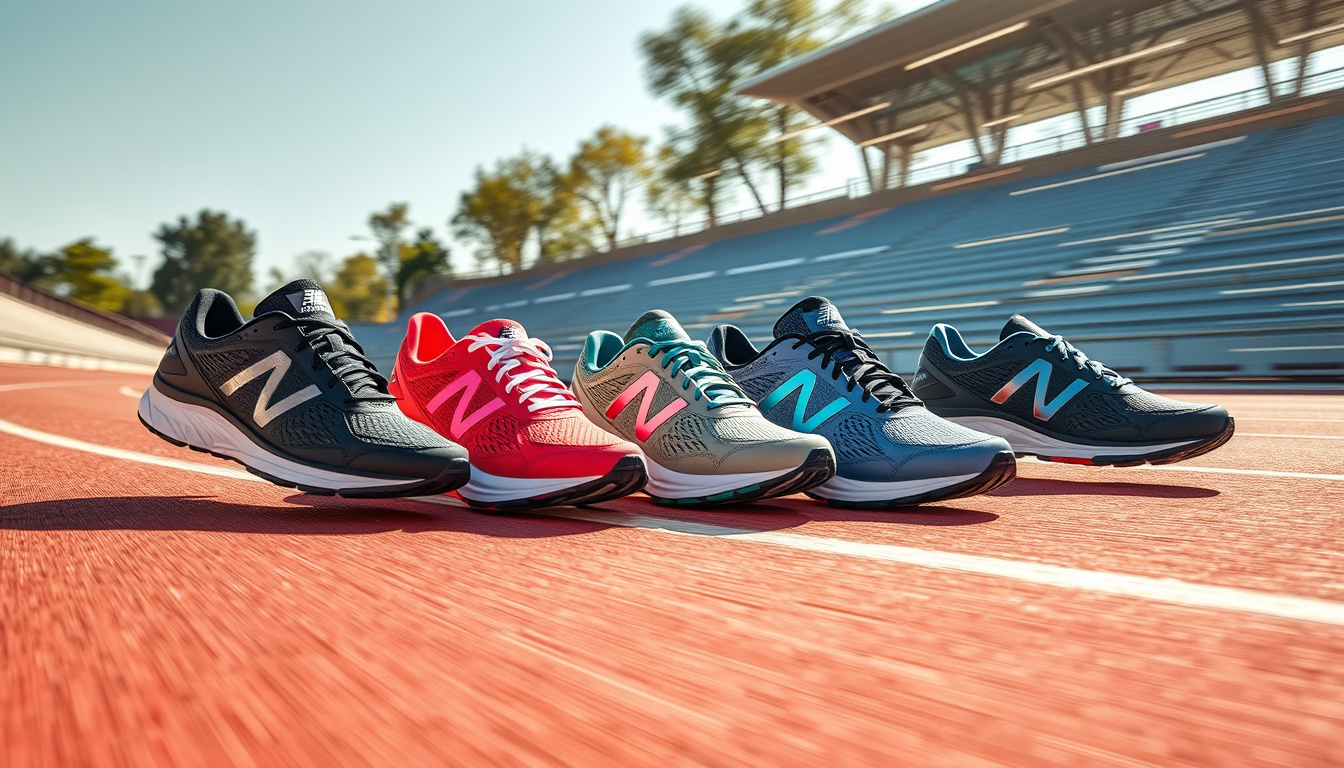

New Balance has built a reputation over more than a century of athletic footwear innovation. For runners seeking the right pair, understanding which models excel at specific needs—whether cushioning, speed, or support—can make a significant difference in training comfort and injury prevention. This guide examines the current lineup, drawing on testing data and expert reviews to help runners at every level identify the best options for their gait and goals.
The brand offers two primary cushioning technologies: Fresh Foam X, which prioritizes plush protection for daily training, and FuelCell, designed for responsive speedwork and racing. Both technologies appear across multiple models tailored to different foot shapes and running styles. Runners consistently report that New Balance footwear accommodates a wider range of foot widths than many competitors, making the brand particularly accessible for those with broader feet or specific orthopedic requirements.
Are New Balance Running Shoes Good?
Independent testing and runner feedback confirm that New Balance running shoes deliver solid performance across multiple metrics. The Fresh Foam X 1080v14, for instance, earned an overall grade of B+ from Doctors of Running, with particular praise for fit (B+) and value (A). Reviewers highlighted exceptional cushioning that handles high mileage without breaking down, making these shoes a reliable choice for runners accumulating significant weekly distances.
Quick Overview of Top Models
| Model | Cushion Type | Best For | Price Range |
|---|---|---|---|
| Fresh Foam X 1080v14 | Max cushion (Fresh Foam X) | Daily training, beginners, wide feet | $160–180 |
| Fresh Foam X 880v15 | Balanced cushion (Fresh Foam X) | Versatile training, value seekers | $130–150 |
| Fresh Foam X 860v14 | Stability cushion (Fresh Foam X) | Overpronation, arch support | $140–160 |
| FuelCell Rebel v5 | Responsive foam (FuelCell) | Speedwork, racing, light feel | $130–150 |
Key Insights from Testing
- Fresh Foam X models consistently exceed 100 miles of durable performance per pair
- Multi-width options (narrow, standard, wide, extra-wide) set New Balance apart from many competitors
- The 1080v14 stack height of 38mm heel / 32mm forefoot provides substantial impact protection
- FuelCell technology delivers faster energy return but sacrifices some stability for responsiveness
- Neutral models work well for high arches and natural stride patterns
- Stability models like the 860v14 offer firmer medial support for overpronation control
- Women’s-specific designs incorporate narrower heels and different volume profiles
Brand Snapshot
| Feature | Details |
|---|---|
| Founded | 1906, Boston, Massachusetts |
| Key Technologies | Fresh Foam X, FuelCell, ENCAP |
| Width Options | Narrow to Extra Wide |
| Drop Range | 4mm to 10mm |
| Warranty | 1 year limited |
| Primary Markets | Daily trainers, racing, trail, walking |
What Are the Best New Balance Running Shoes?
Based on aggregated testing data and expert reviews, several models stand out for different running needs. The Fresh Foam X 1080v14 frequently tops recommendations for runners seeking maximum cushioning without sacrificing durability. Reviewers at Women’s Health described the plushness as comparable to “walking on bubble wrap,” while maintaining enough structure for efficient running form.
Fresh Foam X 1080v14
This flagship neutral trainer features a 6mm drop and Fresh Foam X midsole with a 28.5 Asker C firmness reading—soft enough for comfort but firm enough to provide protection over long distances. The 38mm heel stack absorbs impact effectively, and a subtle rocker geometry combined with a heel bevel promotes smooth transitions without forcing any particular foot strike pattern.
The 1080v14 excels for forefoot and midfoot strikers. Runners with high arches and moderate arch pain reported significant comfort improvements during testing, according to reviews compiled by Doctors of Running.
Fresh Foam X 880v15
The 880v15 positions itself as the best value option in the Fresh Foam lineup. While slightly less plush than the 1080, it offers reliable cushioning for daily miles at a lower price point. Runner’s World testers appreciated its versatility across pace ranges, making it suitable for runners who want quality cushioning without the premium price tag.
FuelCell Rebel v5
For speed-focused training, the FuelCell Rebel series delivers a markedly different feel. The Peax/TPU-EVA foam compound provides faster energy return than Fresh Foam, though testing indicates it sacrifices some stability and overall cushion volume. This trade-off makes the Rebel better suited for interval sessions, tempo runs, and racing rather than easy daily mileage.
Which New Balance Running Shoes Are Best for Wide Feet?
Width accommodation represents one of New Balance’s strongest competitive advantages. The 1080v14 is available in four width options—narrow, standard, wide, and extra-wide—addressing a range of foot volumes that many competing brands ignore. Testers consistently note that the forefoot and midfoot areas provide adequate room for natural foot swelling during longer runs without causing toe rub or pressure points.
Fit Recommendations by Foot Type
- Wide feet: Choose wide or extra-wide options; the 1080v14 and 880v15 both offer excellent room in the toebox
- Narrow feet: Opt for narrow widths and consider the FuelCell Rebel for a snugger fit
- Swelling during runs: True-to-size with room in the midfoot prevents discomfort on longer efforts
- Between sizes: Half-size up recommended, particularly if between standard and wide
Reviewers at Women’s Health advise trying the 1080v14 in-store when possible, as the v15 update may introduce refinements to upper warmth and overall weight. Going half a size up can help if trying online, particularly for those with wider feet.
Fresh Foam X vs. FuelCell for Different Foot Shapes
The softer, wider geometry of Fresh Foam models generally accommodates broader feet more comfortably than FuelCell alternatives. FuelCell shoes tend toward a more performance-oriented, narrow fit that works well for speed but may feel restrictive for wider foot shapes during longer runs.
Stability Options for Overpronation
Runners with moderate overpronation typically find adequate support in neutral Fresh Foam models, where a semi-firm midsole prevents excessive rocking. However, those with severe overpronation or flat feet should consider the Fresh Foam X 860v14, which incorporates dedicated stability features and stronger medial support. For significant gait issues, pairing with custom orthotics may be necessary regardless of shoe choice.
How to Choose the Right New Balance Running Shoes?
Selecting the appropriate model depends on several individual factors: gait pattern, weekly mileage, training goals, and foot anatomy. A structured approach helps narrow options effectively.
Gait Analysis First
Before evaluating specific models, runners should understand their natural foot motion. Overpronators benefit from stability models like the 860v14, while neutral strikers with average arches can choose from the full range of Fresh Foam and FuelCell options. RunRepeat’s comparison data shows that New Balance stability models perform comparably to Brooks Adrenaline line for pronation control, though Brooks offers slightly stronger stability geometry.
When comparing New Balance 1080v14 against Nike Pegasus and Brooks Ghost, the New Balance model excels in durability and wide-fit accommodation. Nike and Brooks both offer lighter weights and higher rebound, making them preferable for speedwork, according to testing data compiled by RunRepeat.
Matching Model to Training Goals
| Training Type | Recommended Model | Reason |
|---|---|---|
| Easy runs, recovery | Fresh Foam X 1080v14 | Maximum cushion, protective |
| Daily mileage, versatile | Fresh Foam X 880v15 | Balanced cushion, good value |
| Speedwork, tempo | FuelCell Rebel v5 | Responsive, lightweight |
| Racing | FuelCell SuperComp Elite v5 | Carbon plate, maximum energy return |
| Overpronation control | Fresh Foam X 860v14 | Stability features, arch support |
Budget Considerations
The Fresh Foam X 880v15 offers the best balance of price and performance for budget-conscious runners. At a lower price point than the 1080, it still delivers quality cushioning suitable for daily training. Those prioritizing racing performance may find the higher cost of FuelCell models justified by the performance benefits.
A Brief History of New Balance Running Technology
Understanding how New Balance arrived at its current technology helps contextualize the brand’s market position. The company’s long history in athletic footwear has allowed gradual refinement of cushioning systems and fit profiles.
- 1906: Founded in Boston, initially producing arch supports and corrective shoes
- 1960s–1970s: Expanded into running shoes as the sport grew in popularity
- 2010s: Launched Fresh Foam technology, shifting toward data-driven cushioning design
- 2018: Introduced FuelCell platform for racing and speed applications
- 2020s: Released SuperComp line with carbon fiber plates for competitive racing
- 2024: Current v14 and v15 iterations of flagship Fresh Foam models
The transition from v14 to v15 models introduces refinements that may affect fit and performance. Runners accustomed to v14 specifications should test v15 before committing to a new pair, particularly for long-distance training where minor differences compound over hundreds of miles.
What We Know vs. What Remains Uncertain
Transparent reporting requires distinguishing between established facts and areas where more data would strengthen recommendations.
| Established Information | Information Requiring More Data |
|---|---|
| 1080v14 offers excellent wide-width accommodation across four options | Long-term durability beyond 100+ miles varies by individual gait patterns |
| Fresh Foam X provides plush protection; FuelCell delivers faster response | Precise comparison of v15 improvements over v14 without extensive side-by-side testing |
| 860v14 provides meaningful overpronation support; 1080v14 better for neutral runners | Specific performance differences between men’s and women’s models beyond fit |
| Multi-width availability is a genuine competitive advantage | Exact mileage thresholds where midsole compression becomes performance-limiting |
The most reliable approach remains testing shoes in person when possible, or ordering from retailers with generous return policies to ensure proper fit before committing to a model for significant mileage.
New Balance Position in the Running Market
New Balance occupies a distinctive niche among major running shoe manufacturers. Where competitors like Nike emphasize responsive energy return and Brooks balances stability across their lineup, New Balance has carved out leadership in inclusive sizing and durability-focused cushioning.
The brand’s emphasis on wide-width options addresses a genuine gap in the market. Many runners with broader feet have historically struggled to find properly fitting performance footwear, forcing compromises between size and performance. New Balance’s commitment to multi-width production across most models provides genuine accessibility that competitors have been slower to match.
The durability profile of Fresh Foam X also differentiates the brand. While lighter, more responsive foams may deliver better performance metrics in short-term testing, they often compress faster under repeated loading. For runners focused on accumulating high weekly mileage, the longevity advantage of Fresh Foam X can represent meaningful cost savings over time.
What Reviewers and Experts Are Saying
“The 1080v14 delivers god-tier plushness. It feels like walking on bubble wrap, yet somehow manages to be protective without sacrificing the ability to pick up the pace when needed.”
— Women’s Health running gear review
“For a shoe that asks you to run 100+ miles in it, the 1080v14 holds up remarkably well. The outsole and midsole both show minimal compression after significant use.”
— Doctors of Running performance analysis
“New Balance has made serious strides in bridge-building between comfort-focused daily trainers and genuinely responsive speed shoes. The 880v15 represents excellent value for runners who want quality without premium pricing.”
— Runner’s World gear editors
Summary and Next Steps
New Balance running shoes earn positive assessments across testing criteria, with particular strengths in wide-width accommodation, durable cushioning, and accessible pricing at multiple tiers. The Fresh Foam X 1080v14 stands out for beginners and runners seeking maximum comfort, while the FuelCell Rebel v5 serves those prioritizing speed. Runners managing overpronation should direct attention to the 860v14, which provides dedicated stability features lacking in neutral models.
For those exploring related topics, Jana Pittman and Jana Pittman husband Paul Gatward represent examples of athletes who have navigated footwear choices for performance, demonstrating how proper shoe selection factors into broader training considerations.
Frequently Asked Questions
Are New Balance running shoes good for overpronation?
Fresh Foam X 860v14 provides dedicated stability features and firmer medial support suitable for moderate overpronation. For severe cases, combining stability shoes with custom orthotics offers additional control.
How long do New Balance Fresh Foam X shoes last?
Testing indicates Fresh Foam X models maintain performance characteristics through 100+ miles. Individual longevity depends on body weight, gait pattern, and running surface.
Should I size up in New Balance running shoes?
Most models run true to size. Those between sizes or with wider feet may benefit from going half a size up. The 1080v14’s wide and extra-wide options can accommodate without upsizing.
What is the difference between Fresh Foam and FuelCell?
Fresh Foam X prioritizes plush protection and durability for daily training. FuelCell delivers faster energy return and lighter weight for speedwork and racing, but with less cushioning volume.
Which New Balance shoe is best for beginners?
The Fresh Foam X 1080v14 is frequently recommended for beginners due to its forgiving cushioning, multiple width options, and stable platform that accommodates developing running form.
Are New Balance running shoes more durable than Nike?
According to aggregated testing data, New Balance Fresh Foam X models demonstrate superior durability compared to Nike daily trainers like the Pegasus, particularly for mileage beyond 100 miles.
What is the best budget New Balance running shoe?
The Fresh Foam X 880v15 offers the best combination of quality cushioning and affordable pricing, making it the top recommendation for budget-conscious runners.
Can I use New Balance FuelCell for daily training?
FuelCell models like the Rebel work best for speed-focused sessions rather than daily training. The lighter, softer cushioning provides less protection for high-volume easy running compared to Fresh Foam options.
Related stories




Charlotte Singh covers culture, lifestyle and society across Australia for Australia Voice.